


Understanding Home Insulation: How It Works and Why It Matters
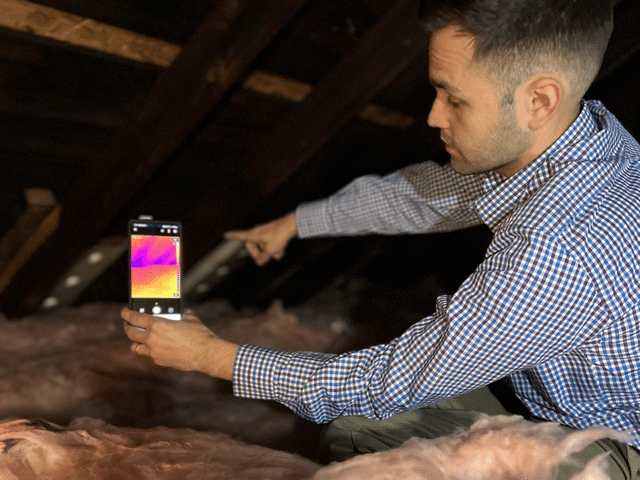
Insulation is one of the most important, yet often overlooked, components of a comfortable and energy-efficient home. While it may not be visible, it plays an important role in regulating indoor temperatures, improving comfort, and reducing energy waste.
What Insulation Does
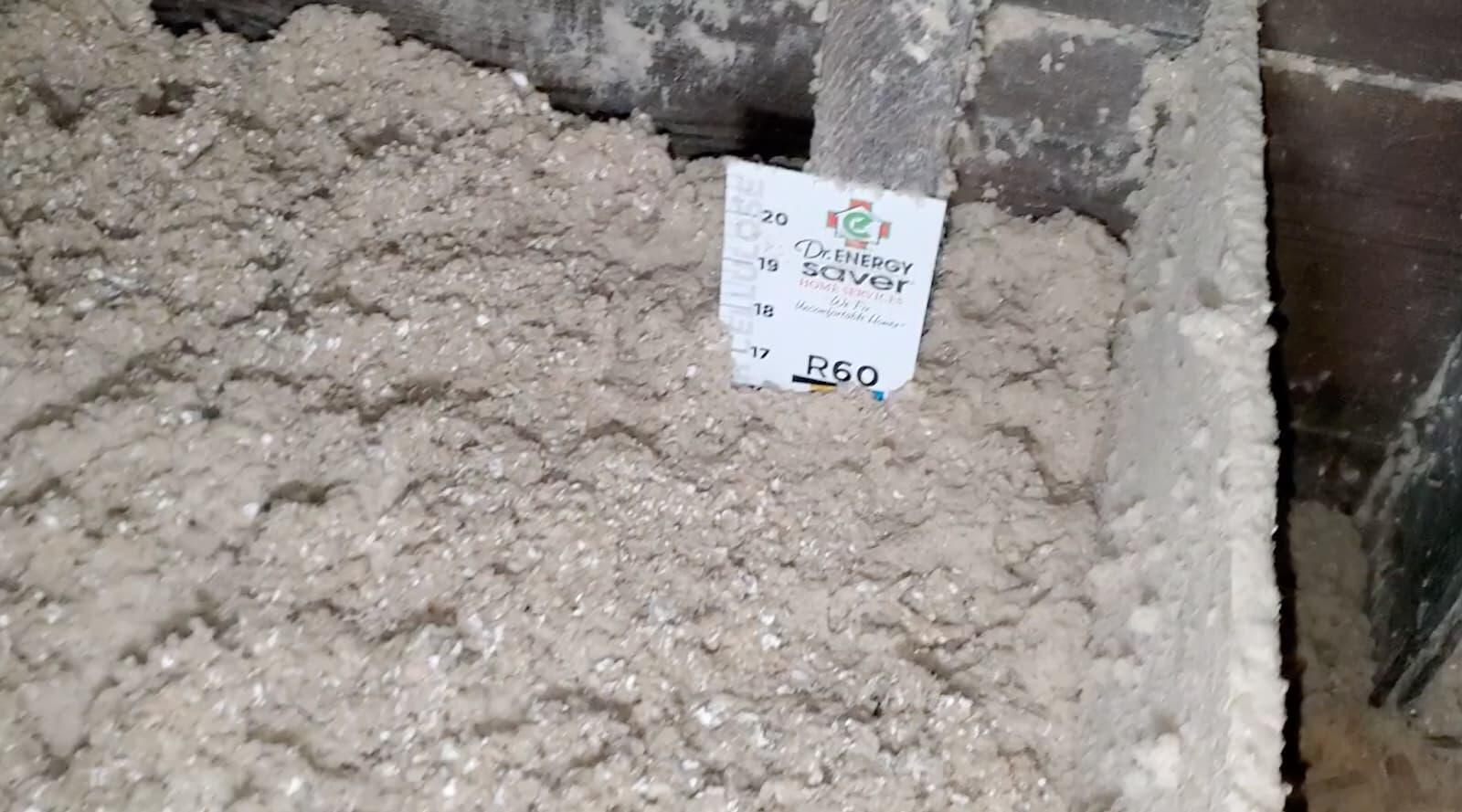
At its core, insulation slows the flow of heat. In winter, it keeps warmth inside; in summer, it keeps heat out. This simple function can have a big impact on both comfort and energy use. The effectiveness of insulation is measured by its R-value, which indicates how well it resists heat transfer. The higher the R-value, the better the insulation performs.
Insulation is most effective when it fills cavities evenly, such as walls, attics, floors, and ceilings, without gaps, compression, or moisture. Gaps or improperly installed material can reduce its effectiveness and lead to drafts, temperature swings, and even moisture problems.
Types of Insulation
Homeowners have several options, each suited to different areas of a home:
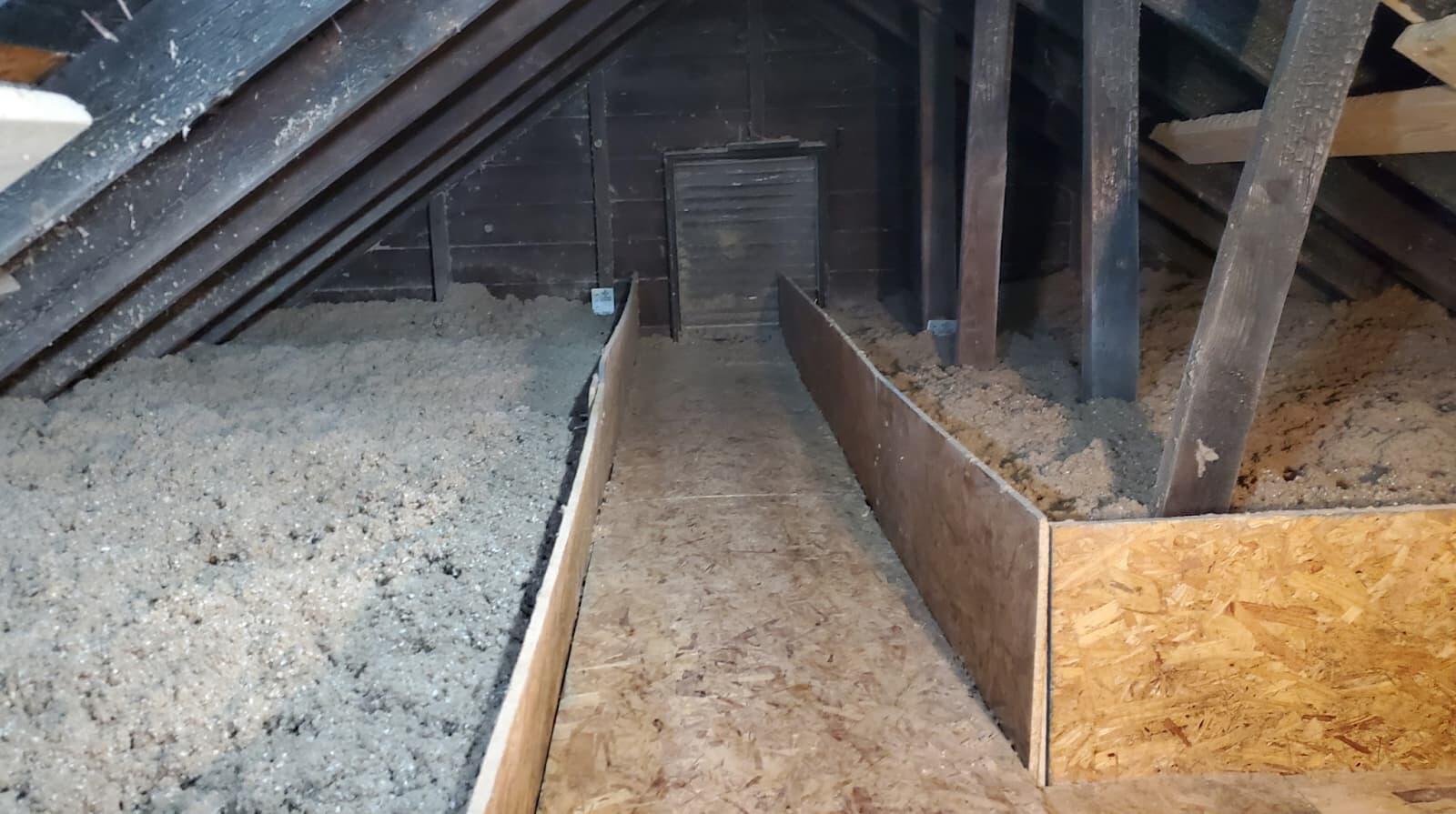
- Cellulose Insulation (Blown-In): Made primarily from recycled paper products and treated with boric acid for added fire resistance and pest resistance, cellulose insulation is a safe and durable option for many homes. Cellulose can be installed as either loose-fill or dense-pack insulation. Dense-pack cellulose is commonly used when filling exterior wall cavities, as it is tightly packed to reduce air movement and improve thermal performance. It performs especially well in older homes and is effective at filling irregular or hard-to-reach spaces where other insulation types may fall short.
- Fiberglass Batts: Commonly used in walls and attics. They are cost-effective and widely available, though proper installation is important to avoid gaps or compression. Oftentimes fiberglass batts are installed in such a way that their effectiveness is diminished.
- Spray Foam: Expands to seal gaps and cracks, providing both insulation and air sealing. It offers a high R-value per inch but is typically used in new construction or major renovations due to its application method.
- Rigid Foam Boards: Installed on exterior walls, foundations, or basements to reduce thermal bridging. They provide consistent insulation and are often used where space is limited.
- Reflective Barriers: Designed to reduce radiant heat transfer. These are most effective in hot climates or attics exposed to direct sunlight and are typically used alongside other insulation types.
Each material has its own strengths, and the right choice depends on climate, building design, and the area being insulated.
Why Insulation Matters
- Energy Efficiency: Poor insulation can allow heat to escape in winter and enter in summer, forcing heating and cooling systems to work harder. Proper insulation reduces energy waste and keeps indoor temperatures more stable.
- Comfort: Insulation minimizes drafts and temperature fluctuations. Rooms stay warmer in winter and cooler in summer, creating a more comfortable living environment.
- Moisture Control and Indoor Air Quality: By slowing heat flow and reducing condensation, insulation and proper venting helps prevent mold growth and maintains healthier indoor air quality.
- Noise Reduction: Many insulation types also act as sound barriers, helping to reduce noise from outside or between rooms.
Common Mistakes to Avoid
- Installing insulation without addressing air leaks
- Compressing insulation, which lowers its R-value
- Ignoring moisture control, leading to potential mold issues
- Focusing on quantity over proper placement
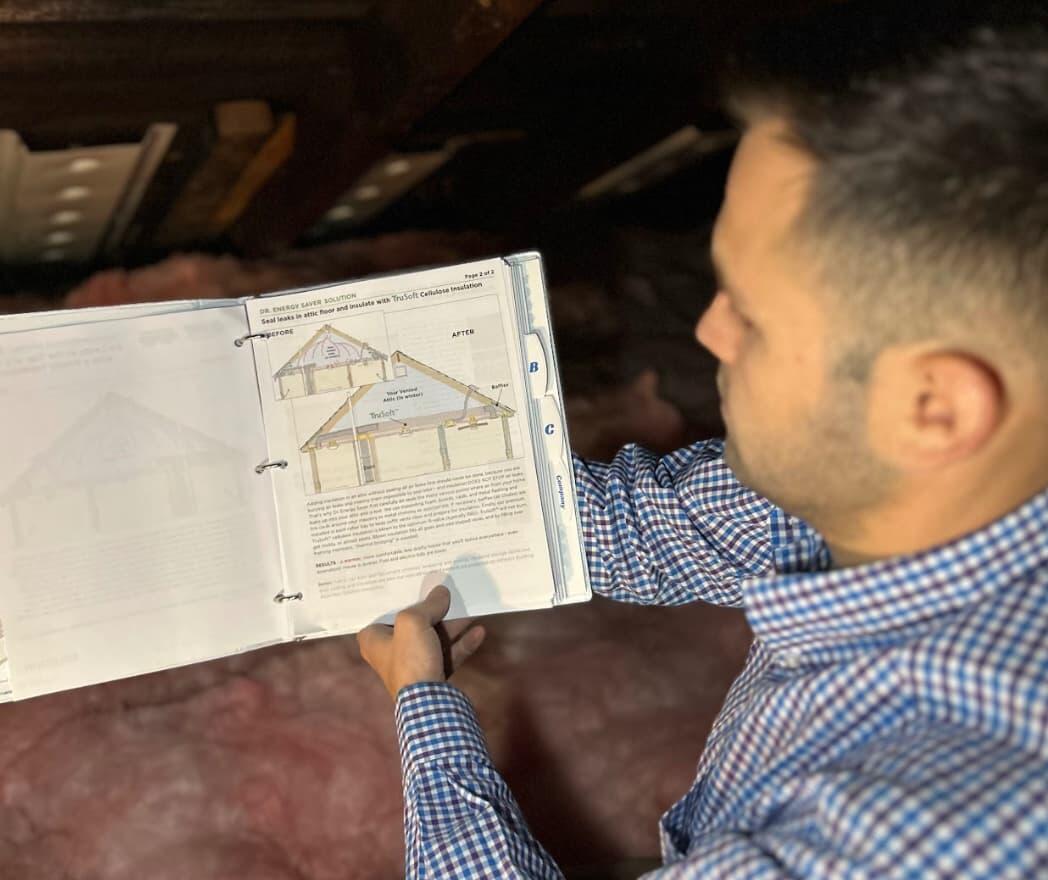
Even small mistakes can dramatically reduce the effectiveness of insulation, which is why understanding proper techniques is key. Insulation is more than just a home improvement, it's a critical factor in comfort, efficiency, and long-term home performance. Understanding how it works and choosing the right approach can help homeowners make informed decisions, even if they are planning improvements gradually over time.